echnology is evolving, but are attitudes changing fast enough to make a real difference before it’s too late?
The Value-Action Gap
Despite innovations, legislation, and initiatives, the fashion industry’s sustainability crisis isn’t improving. The reason? A stark disconnect between what consumers say they want and what they actually do.
In a recent presentation at Lisbon’s Textile Exchange conference, Kantar’s Jonathan Hall addressed this critical gap. “Our latest Kantar data shows that 85% of people globally want to make better choices,” Hall tells Eco Age. “Only 29% say they are actively changing their behaviours.”
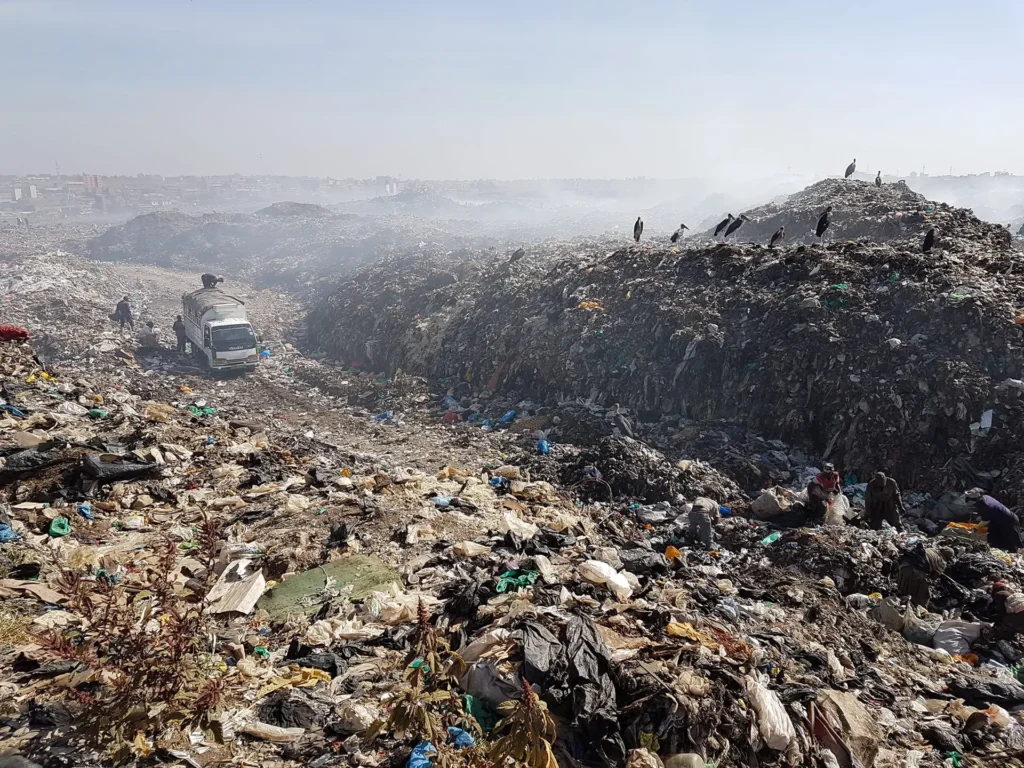
The numbers are staggering. Between 2000 and 2015, fashion industry production doubled. Waste now stands at 92 million tonnes annually, projected to reach 148 million tonnes by 2030. Of today’s 92 million tonnes, only 20% is recycled – the rest goes to landfill, producing methane and poisoning earth and water with toxic chemicals.
This dramatic gap isn’t simply about consumer hypocrisy. “Now, some will say people are over-claiming and others will talk about virtue signalling – and sure, there’s some of that,” Hall says.
“But businesses have to recognise that people feel very concrete barriers to living the lives and making the purchases they want: typically, these are to do with quality, performance, design style, affordability, accessibility and convenience. Too often people feel they would have to compromise in order to choose a sustainable option.”
Consumers don’t believe sustainable clothing delivers on quality or that brands follow through on promises. They want to buy sustainably – they just don’t trust it’s worth the investment.
What’s strange isn’t the consumer position but the fashion industry’s lack of response. Sustainability isn’t just an ethical imperative – it’s an untapped economic opportunity.
“Taking a step back: on the one hand, the Value-Action Gap reflects the significant economic opportunity in helping people transform their consumption. On the other hand, it can feel intractable. But for brands that do act and communicate, sustainability can drive preference and brand growth,” Hall explains.
However, authenticity matters. “It needs to be relevant, connected to core category purchase drivers and authentic to the brand to deliver added value,” Hall notes. Greenwashing is a turnoff for consumers seeking genuine change.
The data supports this approach. “Evidence from Kantar’s Brand Sustainability report shows brands that drive positive perceptions on sustainability build brand equity, predisposing more people to their brand,” says Hall. “And shorter term, NYU Stern data shows evidence that products marketed as sustainable continue to grow faster than products not marketed as sustainable: they grew 2.3X faster and achieved a five-year compound annual growth of 12.4% vs 5.4% for their conventional counterparts.”
The foundation of consumer concern remains ideological rather than financial. “Although there has been a slight softening in concern for the environment as other concerns have increased, 67% of people still believe environmentalism is extremely important – because of the increasing frequency, intensity – and critically, proximity – of climate change impacts.
Two thirds of people now feel personally impacted by environmental issues from heatwaves and droughts to wildfires, floods and storms,” Hall says.
Sustainability is no longer abstract – it’s a lived reality. “Issues of climate, social impact and health & wellbeing are no longer distant or abstract concepts – it’s more personal,” Hall agrees. “The lived experience of poverty, inequality, pollution, extreme weather, and health, combined with growing expectations for brands to demonstrate how their actions directly improve individual and community wellbeing.”
Younger generations are leading the charge. “Kantar data shows that almost three-quarters of people around the world believe businesses have a responsibility to make society fairer, while two-thirds say it’s the responsibility of corporations to solve climate and environmental issues,” explains Hall.
The generational divide is striking. “While over half of people globally agree with the statement, ‘I consider myself an environmentalist,’ the figure rises to 57% among Gen Z and 64% among Millennials.” Hall adds: “The spike is significantly higher among younger Millennials, they are the trailblazers, pulling Gen Z along behind them.”
For these consumers, sustainability is identity. “For Gen Z and Millennial consumers, sustainability is a core part of their identity. Over half of both cohorts agree that ‘buying sustainable products or choosing environmental and socially conscious services shows others who I am and what I believe in.’
But social and environmental issues also shape who they are as employees. They look at a company’s sustainability strategy when considering where to work and want to work for organisations whose values align with their own.”
The fashion industry’s need for change isn’t news. What’s different now is that the power to make change happen is in the hands of those most driven to see it through. The question is whether the industry will seize the economic opportunity and meet the demand – or continue to let the value-action gap widen