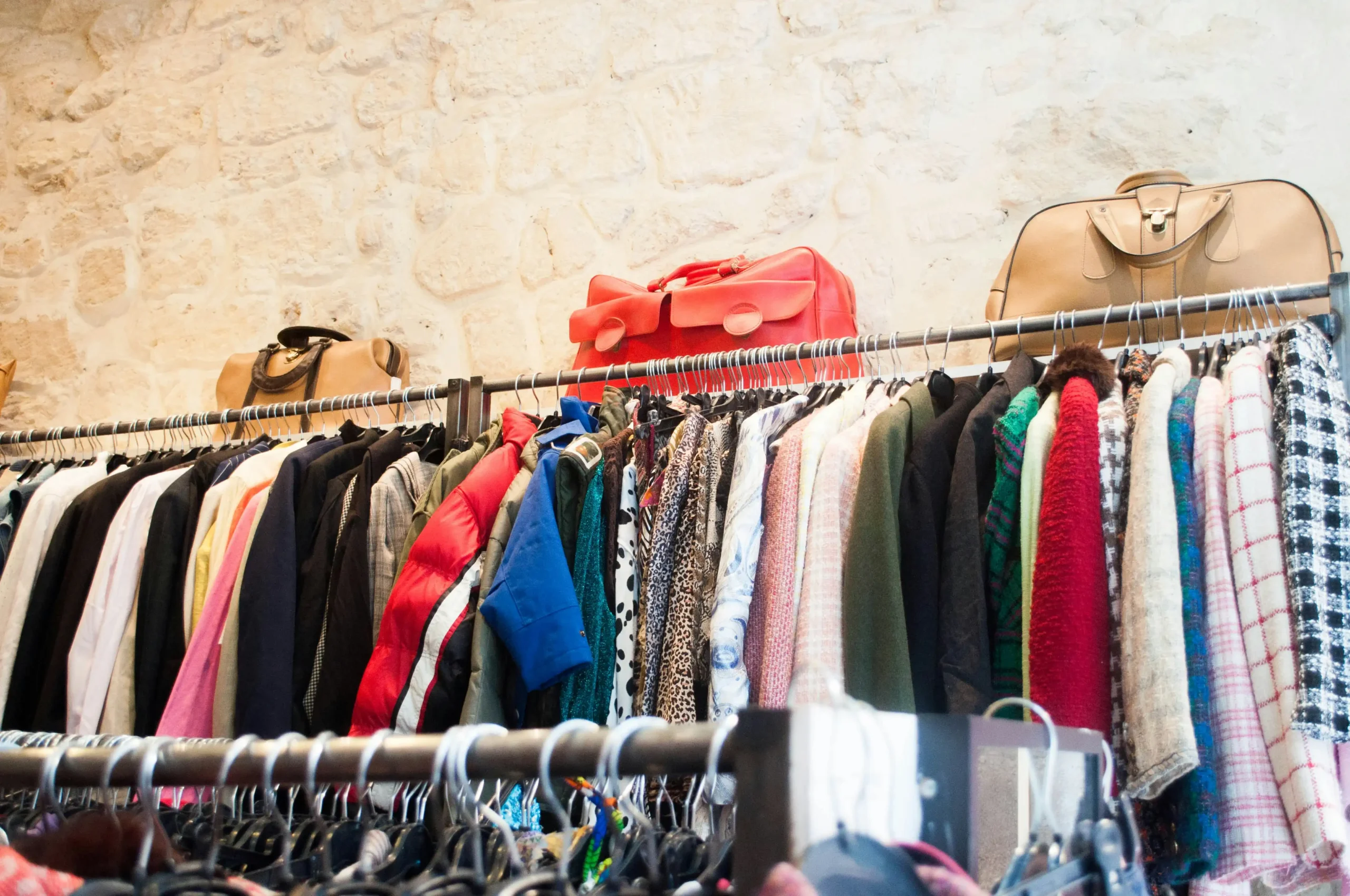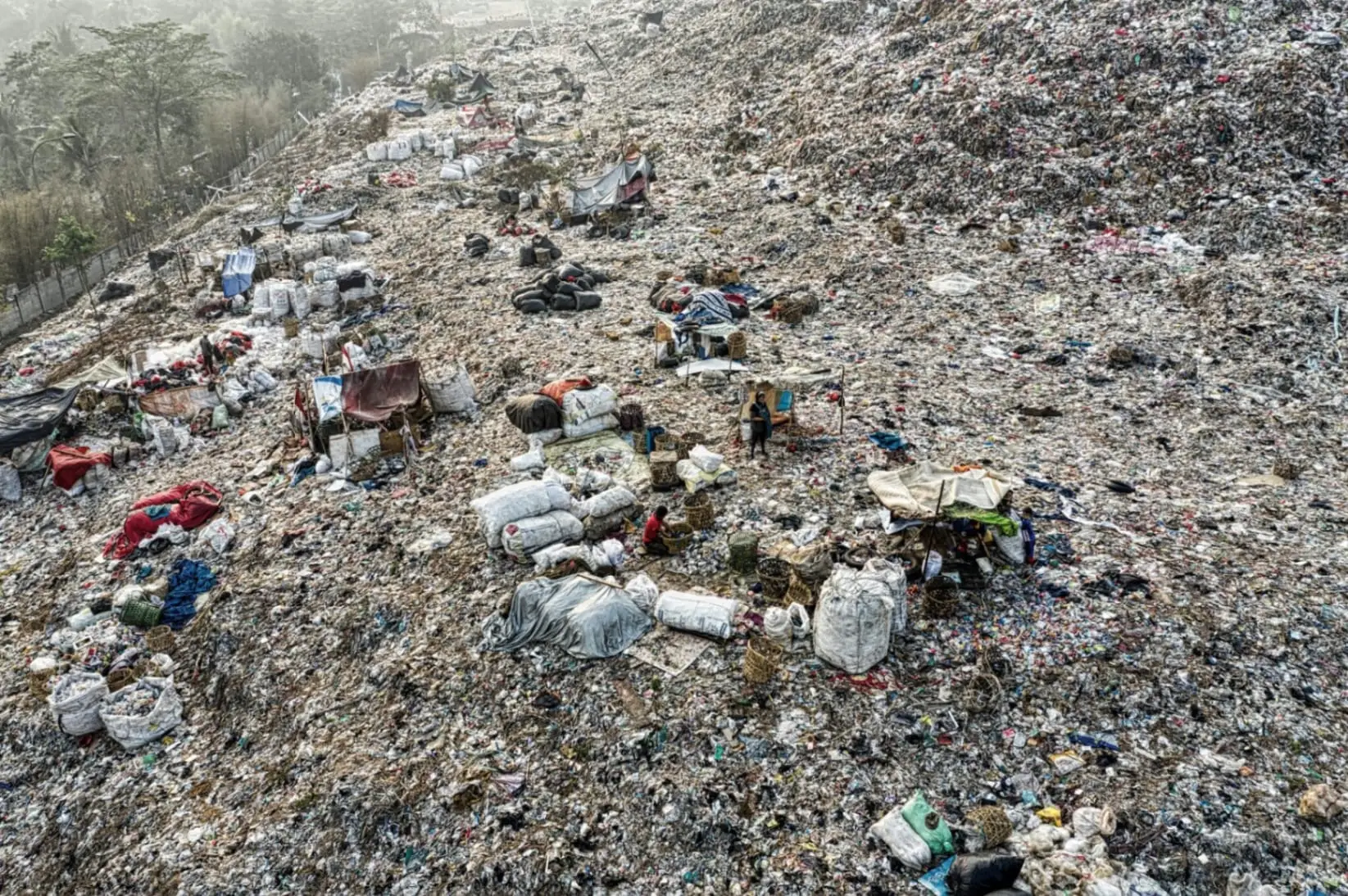
With 24 billion pairs of shoes made — and nearly as many landfilled — each year, the footwear industry’s biggest question is shifting from how to make shoes with less impact, to how to make shoes that leave no problem behind.
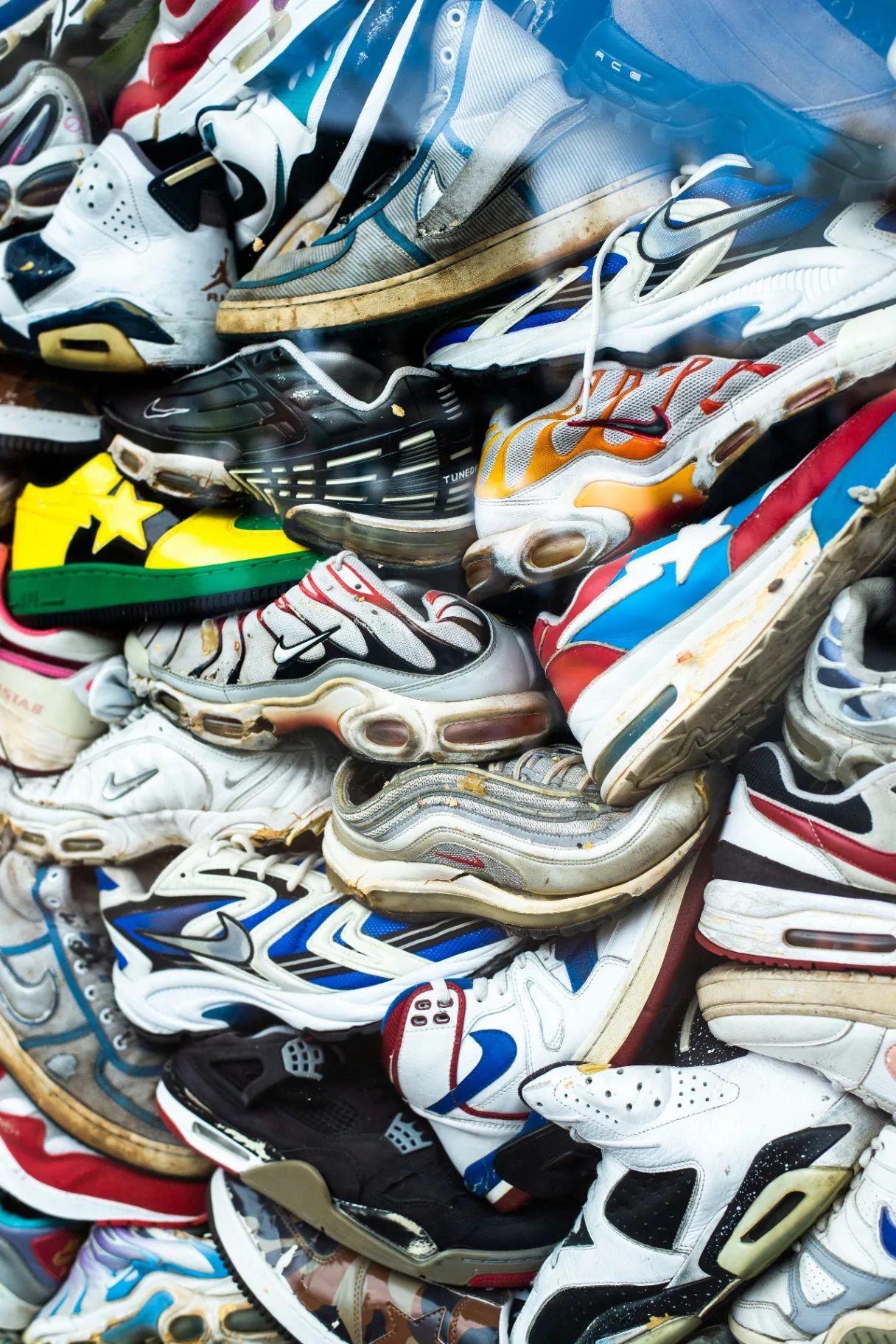
In terms of footwear, sustainability means different things to different people. Or, to put it another way: people are confused — some honestly, others more wilfully — by what “sustainable footwear” or “a more sustainable footwear industry” really means.
But, when 24 billion pairs of shoes are manufactured globally each year — and when almost the same number end up in landfill over the same period, each taking anywhere between 30 and 1,000 years to degrade — there’s really no room for that kind of confusion. In fact, there’s no time for anything that holds back progress.
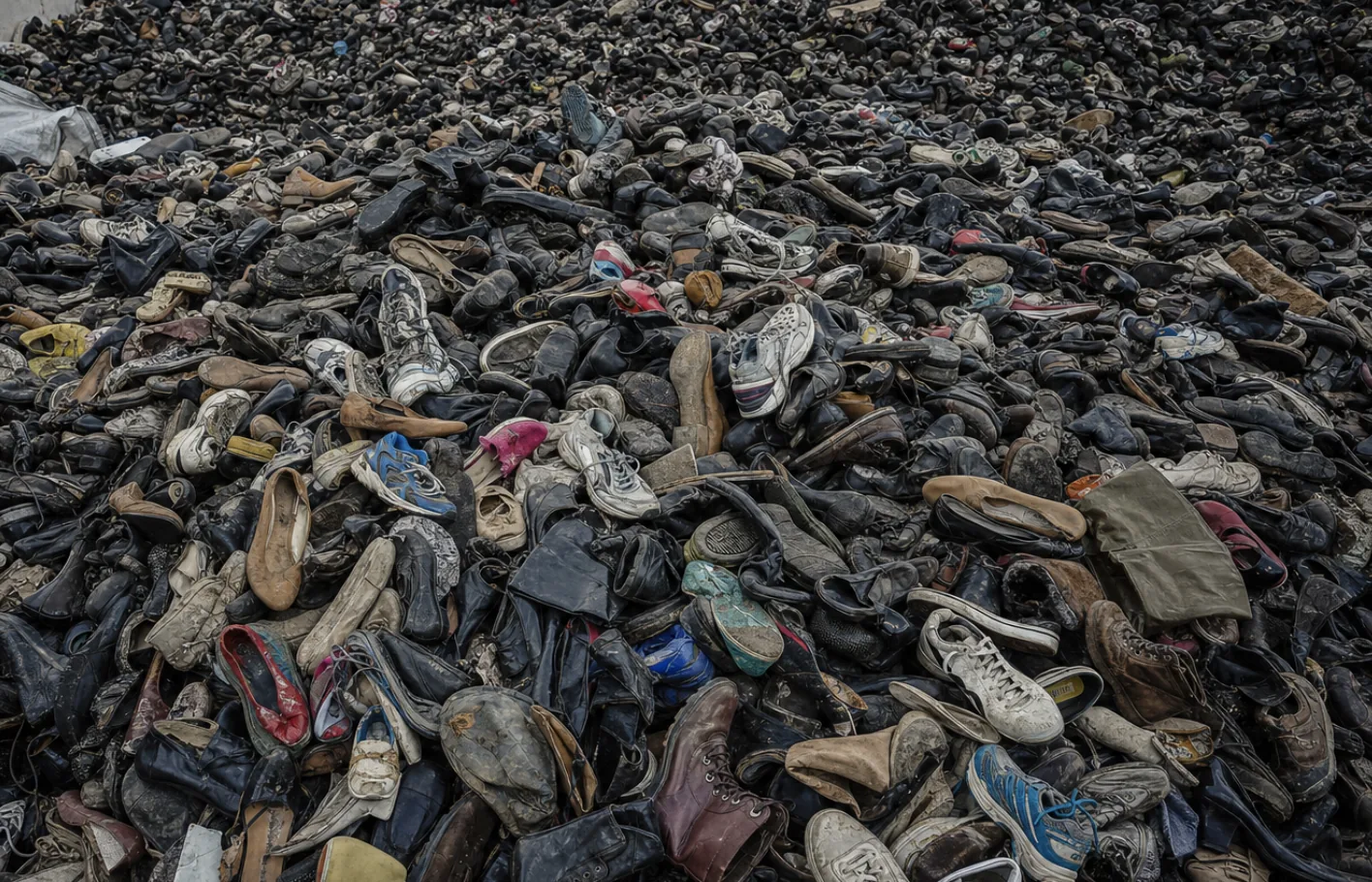
Regardless of the imperative, however, progress does feel a little stalled on first glance: following the high-profile collapse of material innovator Natural Fiber Welding (now making the most of a second chance at life) and the even-higher-profile sale of one-time $4 billion USD sneaker unicorn Allbirds for $39 million USD earlier this year, it’s clear that there are problems afoot.
Boiled down, chief among those issues seems to be that sustainability just isn’t selling — at least not on its own.
“The biggest challenge isn’t materials or technology. It’s that sustainability isn’t truly valued by either the consumer or the business. Consumers overwhelmingly buy on product, price, comfort, and aesthetics. Businesses respond to that reality. Until sustainability becomes a meaningful part of the purchase decision, it will remain a secondary priority.” — Industry insider
In this sense, that neither Allbirds nor NFW ever really created desire for their products beyond their green credentials can be singled out as a fracture point for their eventual failures — the slow puncture in the wheel of progress.
This isn’t an isolated viewpoint. David Solk, co-founder of the biocircular sneaker brand SOLK and a senior adidas alumnus, shares the same conviction but notably does see meaningful progress in that regard: “For me,” he says, speaking to Eco Age, “the most important development isn’t a material or a technology. It’s the growing understanding that sustainability only works at scale when it’s attached to products people genuinely want.”
On the face of it, this seems obvious. But it hasn’t always seemed so. “For a long time, sustainable products often asked consumers to make a compromise somewhere,” Solk continues, “Maybe the product wasn’t quite as beautiful, quite as comfortable or quite as desirable. I think that’s changing.”

Punctures, after all, can often be repaired with the right tools. If not, there’s always the option of changing the tyre entirely. Or there’s always the option of considering that the wheel isn’t even your biggest problem when the engine is on fire.
Genia Mineeva, founder of the award-winning circular design studio BEEN London, has been approaching the problem from the burning vehicle perspective — partnering with the innovative footwear recycler FastFeetGrinded to use their post-consumer footwear waste. Entirely new products, entirely constructed from old shoes.
“What this partnership ultimately demonstrates is that every single material from a used shoe can be successfully separated, recycled, and transformed into a completely new, premium product. For the first time ever, every element of a post-consumer shoe — from the rubber soles to the fabric uppers — gets a second life.” — Genia Mineeva
While BEEN is not itself a footwear brand, their semi-outsider perspective feels in tune with the harsh reality of our planet’s situation: that more — even in the sense of more Earth-friendlier materials — isn’t necessarily what we need and that footwear’s biggest problem isn’t How do we make shoes better? so much as What do we do with all of these shoes?
On this, Mineeva points to solutions such as those provided by FastFeetGrinded: “As with any circularity or waste issue, the root of the problem — and the ultimate answer — always lies in design. Shoes are incredibly complex products; they are made from a multitude of materials, from resins and polymers to various textiles, all heavily glued and stitched together. This mix makes them notoriously tricky to separate and recycle.”
“The frustrating part is that we already have the solutions. Introducing mono-materials (using a single type of material for the whole shoe) and designing for disassembly are tools we already have in our toolboxes. We don’t need to reinvent the wheel; we just need businesses to actually start using them at scale.”
And scale, of course, has consistently been the problem in sustainability across the board: in footwear, much like in fashion more generally, prototypes, capsule collections, and limited edition releases have acted as proof of concept in theory or in microcosm but have rarely ever been expanded to any impactful level.
From Mineeva’s point of view, however, with the advent of post-consumer waste initiatives such as FFG, there may be a shift occurring that kills two birds with one stone — dealing with the footwear industry’s enormous waste stream problem and the scalability issue of more progressive products. “Personally, I am most excited about the post-consumer leather recycling aspect of this innovation. At BEEN, we consult with a wide range of brands and retailers on circularity, and managing post-consumer leather waste is something so many of them have struggled with for years. Through this partnership, we can now jointly offer these brands a real, scalable solution: turning that exact waste stream into high-quality, reusable sheets of material.”

BEEN London X FFG — made from 100% post-consumer footwear
Here, Solk is in agreement with Mineeva: “The industry has made real progress with better materials, lower impacts and more responsible supply chains. That’s all positive. But ultimately every shoe reaches the end of its life. For me, the next chapter is designing products with that reality in mind from the very beginning. Not as an afterthought, but as a design requirement.”
“The exciting part is that this doesn’t just create environmental benefits. It forces us to rethink materials, construction methods and product design in ways that can lead to genuinely better products. I think we’re moving from asking, How do we make a shoe with less impact? to asking, How do we make a shoe that leaves no problem behind?”
For Solk, that’s a much more interesting question. For the footwear industry, it may well be the question that changes everything.