lack Friday isn’t just a sale – it’s the selling out of our planet for the purposes of profit. But consumers have the power to end that cycle.
Don’t feed the Black Friday beast
On Friday November 29 last year, consumers in the United States spent $11.3 million USD per minute between the hours of 10am and 2pm. With a 5% year-on-year increase, global sales reached $74.4 billion USD. As a category, versus daily average, apparel sales saw a 374% increase.
In every sense of the word, the Black Friday binge is unsustainable. But it didn’t happen overnight.
So, how did we get here? Despite the phrase first being used to describe the US gold market crash of 1869, now more than a century ago, it was most recently hijacked by corporations – companies who, off the back of the United States’ holiday weekend, claimed it as the day they ‘went into the black’ and made a profit.
Back in 2020, etailer ASOS sold a black dress every single second of Black Friday trading. Five years ago, those numbers seemed astronomical. They still should. But, half a decade down the line, festivities for the Christmas of consumerism have only escalated further.
We now have not only Black Friday, but what’s come – somewhat unimaginatively – to be called Black Week: an extension of the sales that span the week before and end, more or less, with Cyber Monday. For consumers, whose wallets are thinner than ever in a dire economic landscape, this feels like a boon: a reward.
But Black Friday isn’t an act of generosity for loyalty to your favourite brand over the past year.
“Black Friday is just one way for brands to artificially stimulate demand for excess inventory that, in many cases, already exists,” says Elizabeth Pulos, Program Director, M.S. in Business for Social Impact & Sustainability at IE New York College and former Director of Global Sustainability at Nike-owned footwear brand Converse.
Pulos continues: “Most retailers overproduce by 10-40% as a matter of course, and with tariffs hitting earlier this year, they stockpiled even more inventory than usual to avoid the additional costs. Demand planning is notoriously difficult, so most companies simply use previous years’ sales to project forward, adding that additional 10-40% in as an inventory buffer.”
Black Friday, then, is built into the system: to move the kind of units that are sold, more products are manufactured than otherwise would be. And herein lies the problem: especially where apparel, footwear and accessories are concerned, extra volume doesn’t often add up to high-quality merchandise.
The frantic, first-come-first-served nature of Black Friday, too – where the illusion of scarcity drives sales even higher – pushes consumers to make choices they’d otherwise likely spend more time on and ultimately decide against.
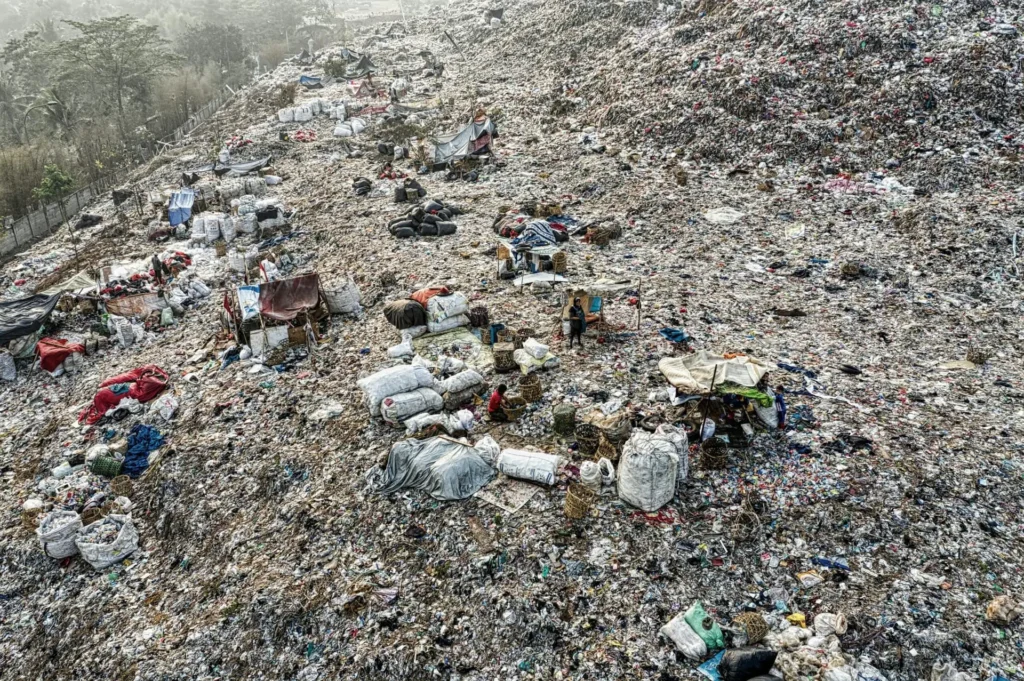
It’s no wonder that 80% of Black Friday purchases make their way to landfill after only minimal use, generating an extra 1.5 million tonnes of waste in the UK alone.
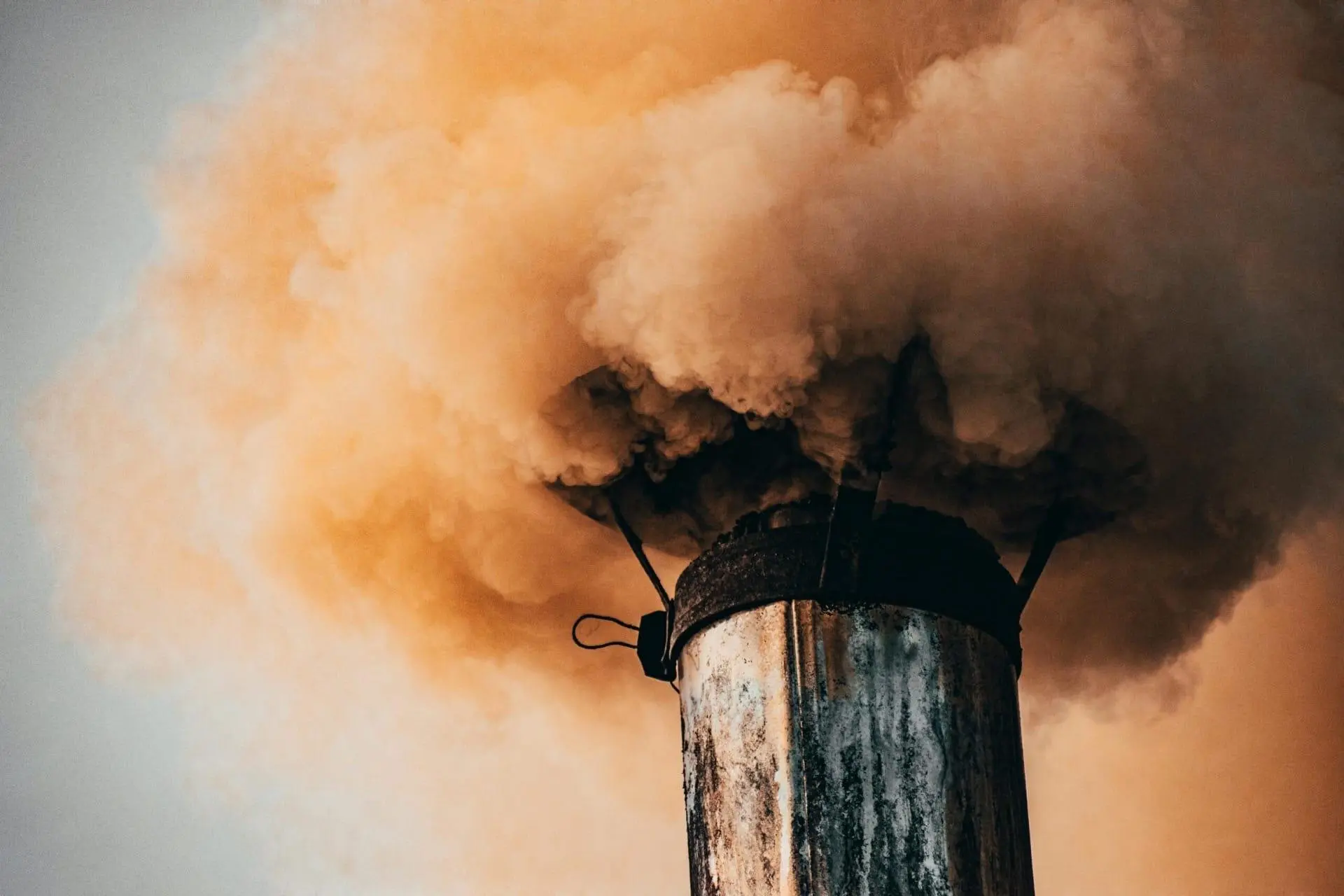
And then, of course, there’s the question of logistics: those products that “fly off the shelves” neither get there by magic nor appear on consumer doorsteps by some act of sorcery. Last year, 1.2 million tonnes CO2 were released from transport during Black Friday week in Europe. In the UK, deliveries from Black Friday sales created 435 London to New York flight’s worth of CO2 emissions.
It doesn’t have to be this way, though: supply and demand relies heavily on the latter for justification. Consumers may feel powerless, held to ransom by corporations who know budgets are stretched to the point of breaking and peddle false economy as an answer, but that isn’t entirely true.
The success of Black Friday is taken by the fast-consumption industries as an endorsement – licence to not only keep doing what they’re doing, but to keep escalating. But consumers aren’t voting with their wallets in favour of that system, they’re voting by default; for lack of choice, for lack of an alternative.
Times are hard. Deals are good. What choice is there?
The Black Friday model relies on participation; margins rely on volume – withdraw that, and the whole house of cards comes tumbling down.
“Consumers absolutely have the ability to slow over-consumption, and brands will listen,” Pulos agrees. “Prioritising quality over quantity, seeking out natural materials and handcrafted products, buying second hand, developing their own person style. While brands won’t immediately register the shift, they will eventually see the results and shift their production behaviour.”
It’s understandable that rallying against something like Black Friday, which is really just an extension of a system entirely unfit for purpose, might feel futile. But it isn’t – and we shouldn’t let ourselves be browbeaten into believing things can’t change for the better.
Consumers aren’t to blame for the environmental havoc that Black Friday wreaks on our planet any more than they’re to blame for the astronomical emissions pumped out by corporations all year round just because someone accidentally left a light on or the fridge door open.
The blame lies, as it should, with the companies who pollute and profit from practices they know to be harmful to the Earth.
Black Friday, though, presents a rare opportunity: a chance to stand up and stand against spiralling rates of consumption, of profligacy and of waste. A chance to opt out – to shop from local, independent, sustainable and ethical businesses who prioritise better ways of working. A chance to show brands who work with rather than against the planet that what they do matters.
Black Friday has become a beast. By that logic, it may seem best to simply give it what it wants and watch it slink away until next year. But feeding the beast only brings it back – earlier, more ravenous, more demanding than ever.
Do not capitulate. Hold out. Let the monster starve.